

Why Ethical Brands Get Bought
What The Body Shop and Everlane Reveal About Market Reality



In 2011, Everlane sold its first product: a plain crewneck T-shirt for $15, alongside an itemized account of what it cost to make. No apparel brand had ever done that, and Everlane’s espoused commitment to transparency and responsible sourcing resulted in a devoted consumer following almost overnight.
Now, 15 years later, that same brand belongs to Shein, a company built on the opposite premise: volume, speed, and opacity. The reversal looks like a betrayal of everything Everlane stood for, but it is better understood as a lesson about what happens when a good idea meets a difficult market. And this is a lesson The Body Shop learned first. The Body Shop leveraged its eco-friendly stance for years, building an identity around it, only to watch competitors copy the formula until ethical packaging and natural ingredients became standard shelf fare. The Body Shop, once synonymous with anti-corporate environmentalism, was acquired by L’Oréal in 2006.
The fate of these iconic “ethical” companies reveals a common pattern worth considering. For Anita Roddick at The Body Shop and for co-founders Michael Preysman and Jesse Farmer at Everlane, environmental stewardship and transparency were powerful ways to distinguish their startups from larger competitors at the outset, but both brands eventually ended up owned by the very kind of corporate giants they were built to stand apart from.
Rather than viewing these acquisitions simply as betrayals of purpose-driven business, they are better understood as illustrations of market realities. Ethical branding can signal differentiation and even reshape consumer expectations, but long-term commercial success still depends on profitability, operational efficiency, and consumers’ willingness to support those ideals even when doing so requires meaningful tradeoffs. The Body Shop provides perhaps the clearest illustration of this dynamic.
Founded in Brighton, England, in 1976, the high-street store entered a beauty industry preoccupied with glamour and luxury. Anita Roddick, an outspoken idealist, took a different stance. Her early success demonstrated how ethical branding could serve as a powerful marketing strategy for an emerging business. The Body Shop embedded social concerns into its brand DNA long before ESG became boardroom shorthand.
For consumers, refilling shampoo bottles at The Body Shop became a way to express personal values by engaging in acts of conscious consumption, reinforcing the belief that everyday purchasing decisions could advance broad social and environmental goals. What appeared to be a simple retail practice proved to be a powerful commercial proposition that propelled the small British retailer into an international brand.
The American market, however, proved far more challenging, and it wasn’t long before competitors adopted copycat strategies. Estée Lauder launched Origins, while Bath & Body Works introduced its own natural product lines. Throughout the 1990s, these firms embraced minimalist packaging, botanical imagery, natural ingredients, and environmentally conscious messaging, while leveraging far greater advertising budgets and expansive retail networks to reach the same consumers The Body Shop had helped cultivate.
What had once distinguished The Body Shop became an industry expectation rather than a competitive advantage, and, by the early 2000s, the strategic challenge was competing in a marketplace flooded with similar messages and strong rivals.
In 2006, The Body Shop was sold to L’Oréal. For many loyal customers, the acquisition appeared to contradict everything the company had long represented: The Body Shop was an underdog brand built on anti-corporate environmentalism, and now it was set to become part of one of the world’s largest beauty conglomerates. Roddick defended the deal, arguing that it would enable the scaling of ethical practices and could influence the industry from within. Yet, in the end, the acquisition had lackluster results for L’Oréal, and The Body Shop’s brand was sold off again in 2017.
Though L’Oréal aspired to absorb The Body Shop’s ethical credibility and customer loyalty, the brand’s identity was so inextricably tied to being an alternative to Big Beauty that the ownership itself undermined the very thing that made it valuable.
What happened to The Body Shop reflects a recurring pattern in competitive markets. Entrepreneurial innovations create differentiation, competitors imitate successful ideas, and firms eventually find themselves competing on the same business fundamentals as everyone else. Indeed, the Body Shop’s story was not an anomaly, and several decades later, the pattern would repeat itself, albeit in a different industry and for a different generation.
Everlane emerged in 2010 as an alternative to both fast fashion and luxury apparel. Everlane’s founders, Michael Preysman and Jesse Farmer, envisioned the company as a technology-enabled retailer that made high-quality wardrobe essentials more accessible. By leveraging a direct-to-consumer model, the company also distinguished itself through the promotion of “radical transparency,” disclosing production costs, factory conditions, and pricing decisions in ways that few brands had ever attempted. And their promise for better-made basics quickly garnered consumer interest.
As Everlane grew, it further strengthened its identity by emphasizing sustainable materials and ethical labor practices. Yet neither its compelling mission nor innovative business model could insulate the company from financial challenges as well as internal tensions. In late 2019, Everlane’s own employees were unhappy with how they were being treated and attempted to form a union. But early on in 2020, layoffs occurred, and reportedly, “No one who had expressed public support for the union was kept on.”
The layoffs drew sharp public criticism, including from Senator Bernie Sanders, but the company was facing more than just reputational challenges; it was reeling with rising costs, changes in consumer behavior, and profitability pressures that intensified during the pandemic.
At the outset of 2026, Everlane was carrying roughly $90 million in debt, forcing the company to seek new sources of capital. By then, however, neither of its founders remained at the company. Jesse Farmer had departed during Everlane’s early years, while Michael Preysman stepped down as CEO in 2021. Everlane’s story thus serves as a reminder that founders do not always determine the fate of the companies they create. As businesses mature, strategic decisions increasingly reflect the incentives of those who own and finance the company, as well as the competitive and financial realities they confront.
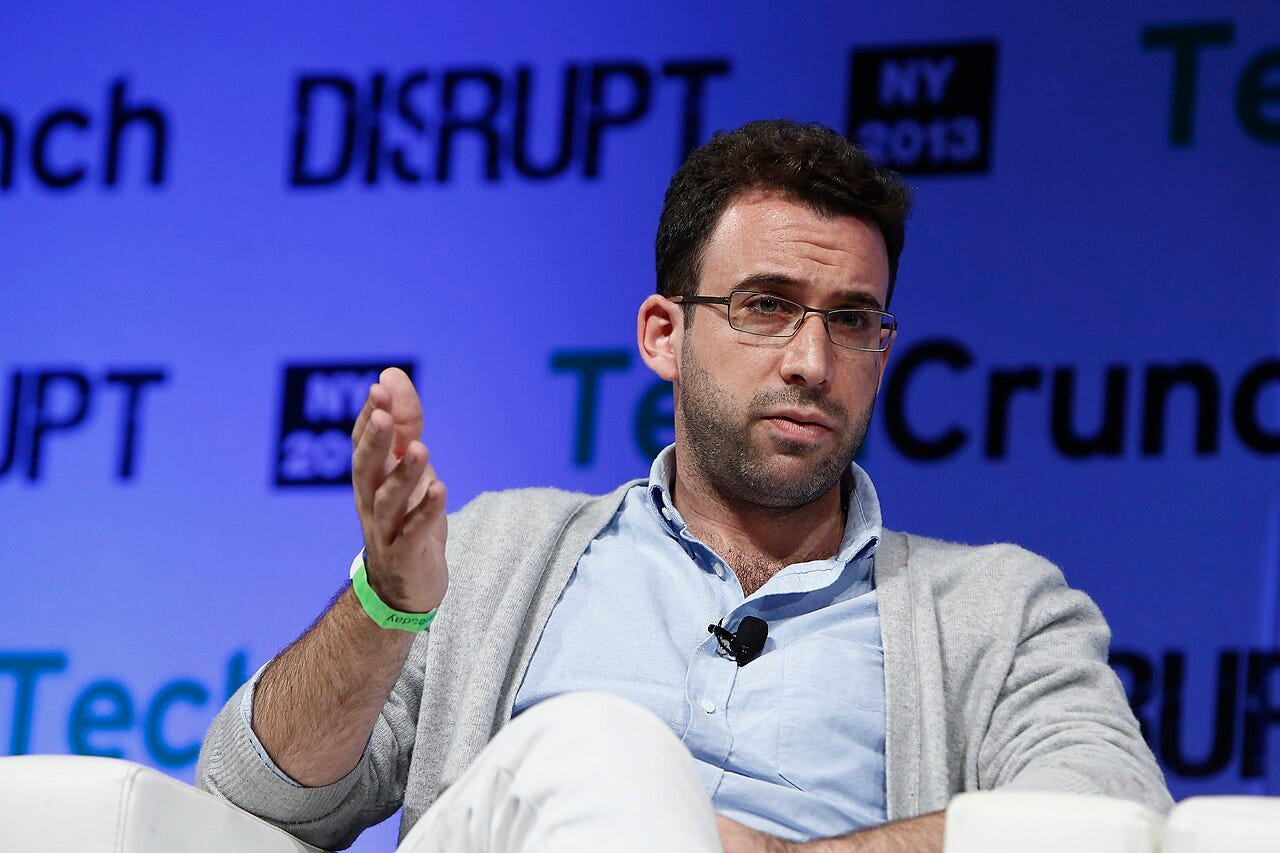

Shein ultimately emerged as the only viable buyer for Everlane, acquiring the brand in a deal reportedly valued at approximately $100 million. The sale was especially striking because Everlane had built its reputation on quality products sourced responsibly, while Shein was a brand synonymous with ultra-fast fashion, relentless product turnover, and questionable labor and environmental practices.
Everlane’s trajectory reinforces the lesson illustrated by The Body Shop’s story above. Good intentions and ideas cannot substitute for sound business principles, nor can they guarantee the continuous support of customers or even employees. Disciplined management, sustainable financial models, competitive pricing, and operational efficiency remain essential to long-term success, regardless of a company’s mission or moral stance.
Consumers may reward virtue, but markets ultimately determine long-term viability. And it is worth pointing out that niche ethical brands rarely transform industries alone. They can pioneer new methods and sometimes meaningfully shift consumer expectations, but larger incumbents are needed for scaling operations and outreach.
Viewed through this lens, the acquisitions of The Body Shop and Everlane look less like acts of betrayal of anti-corporate ethos than strategic responses to changing market conditions.
L’Oréal sought to acquire more than a cosmetics company; it was interested in repositioning itself as being more socially and environmentally aware. Roddick sparked that interest and paved the way for beauty empires to reorient how they appealed to consumer interests. And, at the time of the sale, Roddick was vocal about her plans to influence L’Oréal’s business practices with intentions for staying on as consultant.
As for Everlane, Shein’s motivations appear similarly strategic. Shein has a strong incentive to improve its reputational standing. In the summer of 2024, then-US Senator Marco Rubio reportedly wrote to then-UK Chancellor Jeremy Hunt about “grave ethics concerns” for the fast-fashion giant, arguing that “slave labor, sweat shops, and trade tricks are the dirty secrets behind Shein’s success.” When the top Republican on the US Senate Intelligence Committee publicly calls out a company, it places a significant target on its business practices. As such, for Shein, Everlane’s debt is a worthwhile investment to mitigate public scrutiny. Acquiring a respected premium brand associated with quality, transparency, and consumer trust provides Shein one way to strengthen its image as it prepares to enter the public markets.
After unsuccessful attempts to list in New York and London, Shein has now secured Beijing’s approval to pursue a Hong Kong IPO, clearing an important regulatory hurdle. Even so, strengthening the company’s reputation remains a commercial priority, and so the acquisition becomes easier to understand through a strategic lens even if it remains difficult to reconcile symbolically.
Dismissing the acquisition, though, as simple hypocrisy risks overlooking a more complicated but optimistic possibility. If Everlane’s espoused commitments to ethical sourcing and labor standards manage to influence even part of Shein’s business model, the impact could reach far beyond the comparatively niche audience Everlane attracted on its own. And we must also remember that Shein’s success did not occur in a vacuum. Founded in 2008 as an online wedding dress retailer, Shein became a global retail force because millions of consumers embraced ultra-fast fashion. Shoppers may express concern about labor practices, environmental sustainability, and corporate responsibility, but low prices, convenience, and constant novelty seem to remain extraordinarily powerful incentives.
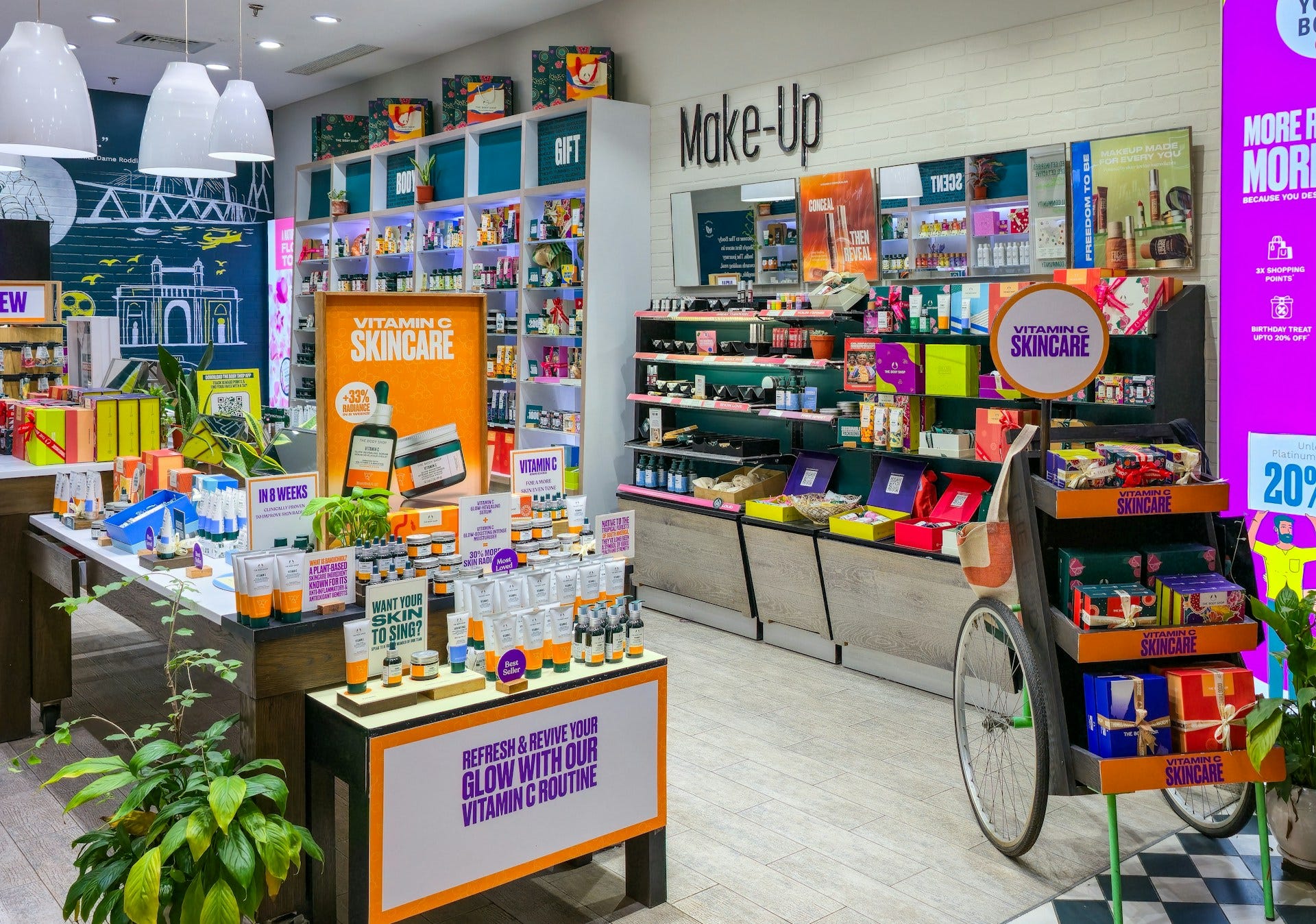
In this sense, Shein reflects consumer priorities as much as it shapes them. And that reality raises a more uncomfortable question than whether Everlane’s values will survive under new ownership. It forces us to ask how much those values were worth to consumers in the first place.
For decades, surveys have shown that consumers say they want companies to behave responsibly. But when those commitments require paying higher prices, waiting longer for delivery, or accepting fewer choices, enthusiasm often wanes. The gap between what people say they value and what they are willing to sacrifice for those values has become one of the defining tensions of modern consumer culture.
Now, this does not mean ethical branding has been meaningless. In fact, one of the most important accomplishments of companies like The Body Shop and Everlane may be that they changed what consumers expect from businesses. Cruelty-free products, supply-chain transparency, and sustainability claims have become commonplace precisely because these firms demonstrated that such ideas resonated with consumers and sometimes reinforced perceptions of quality.
But, if consumers reward ethical rhetoric more consistently than ethical business models, firms face a powerful incentive to market values rather than commit fully to them. The result can be a marketplace filled with language of moral superiority but relatively few consumers who are genuinely willing to bear the costs that actual ethical commitments require.
Overall, the stories of The Body Shop and Everlane suggest that both things can be true at once. Ethical entrepreneurship can influence industries, reshape expectations, and push competitors toward better practices. At the same time, that differentiation is rarely permanent. Long-term market success ultimately depends on consumers consistently supporting those efforts even when doing so becomes expensive or inconvenient in comparison to what other firms are selling.
Markets are often criticized for rewarding profits over principles, and ethical branding is often assumed to reflect a company that puts purpose before profit. But these stories suggest something more nuanced. If ethical businesses struggle to survive, the explanation may lie not in capitalism’s indifference to values but in the gap between consumers’ stated preferences and their revealed ones. Businesses ultimately respond to incentives, and those incentives are created one purchase at a time.

Kimberlee Josephson, Ph.D., is an associate professor of Business Administration at Lebanon Valley College, research fellow at Consumer Choice Center, and a member of the Speakers Bureau at Heterodox Academy.
 | A guest post by
|